

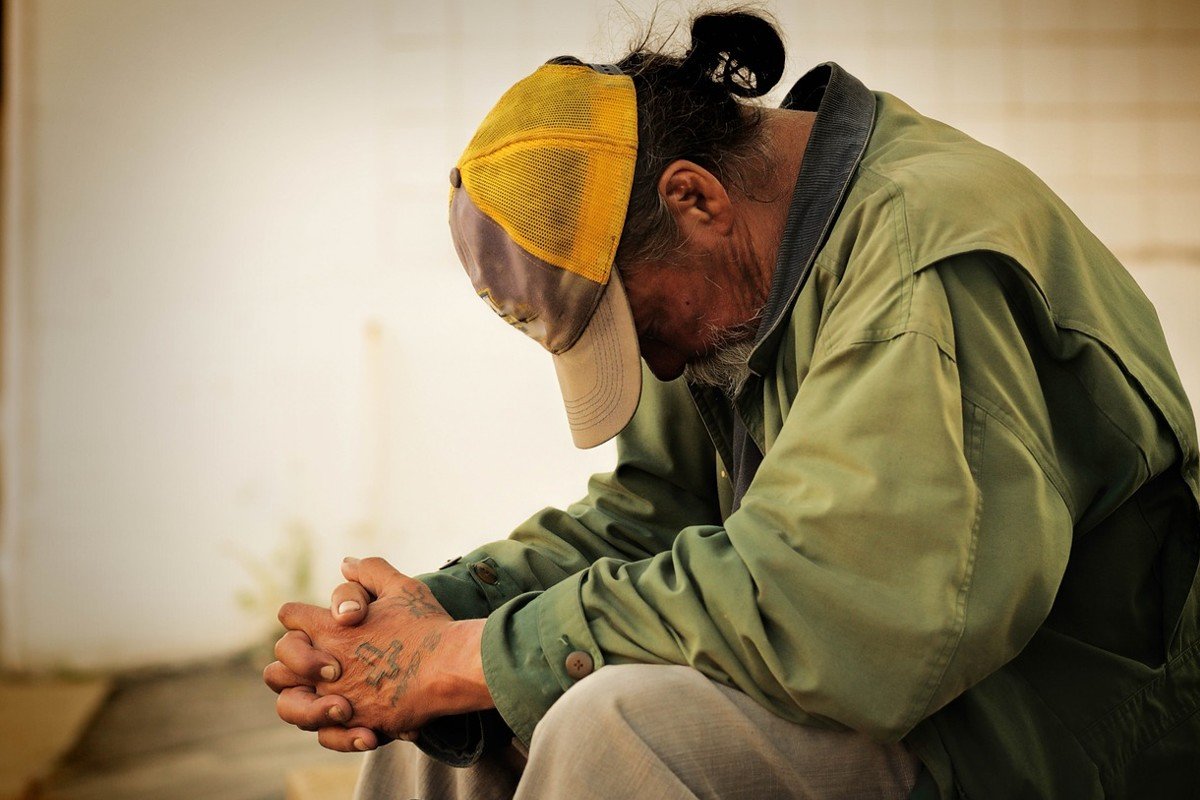
When people think about poverty, the first thing that comes to mind is often money—or rather, the lack of it. But the effects of poverty go far beyond an empty wallet. Being poor can have a deep and lasting impact on health, influencing everything from nutrition and mental well-being to the ability to access medical care.
1. Limited Access to Healthcare
One of the most direct ways poverty affects health is by making it harder to afford medical care. Without health insurance or with limited coverage, many people skip routine check-ups, delay treatments, or avoid going to the doctor altogether. This often means illnesses are discovered later, when they’re more serious and more expensive to treat.
2. Poor Nutrition
Eating healthy is often more expensive than relying on processed, calorie-dense foods. Fresh fruits, vegetables, lean meats, and whole grains can cost much more than fast food or packaged meals. Over time, this leads to higher rates of obesity, diabetes, and heart disease among people living in poverty. Food insecurity—uncertainty about when the next meal will come—also creates stress that worsens health.
3. Chronic Stress
Living in poverty is stressful. Worrying about rent, bills, food, and job stability creates constant pressure. Chronic stress doesn’t just affect the mind—it impacts the body, too. Long-term stress has been linked to high blood pressure, weakened immune function, and an increased risk of depression and anxiety.
4. Unsafe Living Conditions
People with lower incomes are more likely to live in environments that negatively affect health. This may include neighborhoods with higher crime rates, exposure to pollution, substandard housing with mold or pests, or limited access to safe parks and recreational areas. These factors increase the risk of respiratory illnesses, accidents, and mental health struggles.
5. Lower Life Expectancy
Studies consistently show that poverty is linked to shorter lifespans. People in poorer communities often face a combination of factors—chronic illnesses, limited access to healthcare, and unhealthy living conditions—that reduce overall life expectancy compared to wealthier populations.
6. Impact on Mental Health
Financial struggles can lead to feelings of hopelessness, shame, and isolation. Depression and anxiety are common among individuals living in poverty. Unfortunately, access to mental health services is often limited, leaving many without the support they need.
Breaking the Cycle
The connection between poverty and poor health creates a difficult cycle. Poor health makes it harder to work and earn income, while financial struggles make it harder to stay healthy. Breaking this cycle requires not only personal effort but also systemic changes—such as affordable healthcare, better access to nutritious food, and community programs that support vulnerable populations.
In short:
Poverty affects health in powerful and complex ways—physically, mentally, and emotionally. Understanding this connection is the first step toward building solutions that give everyone a fair chance at living a healthy life.