

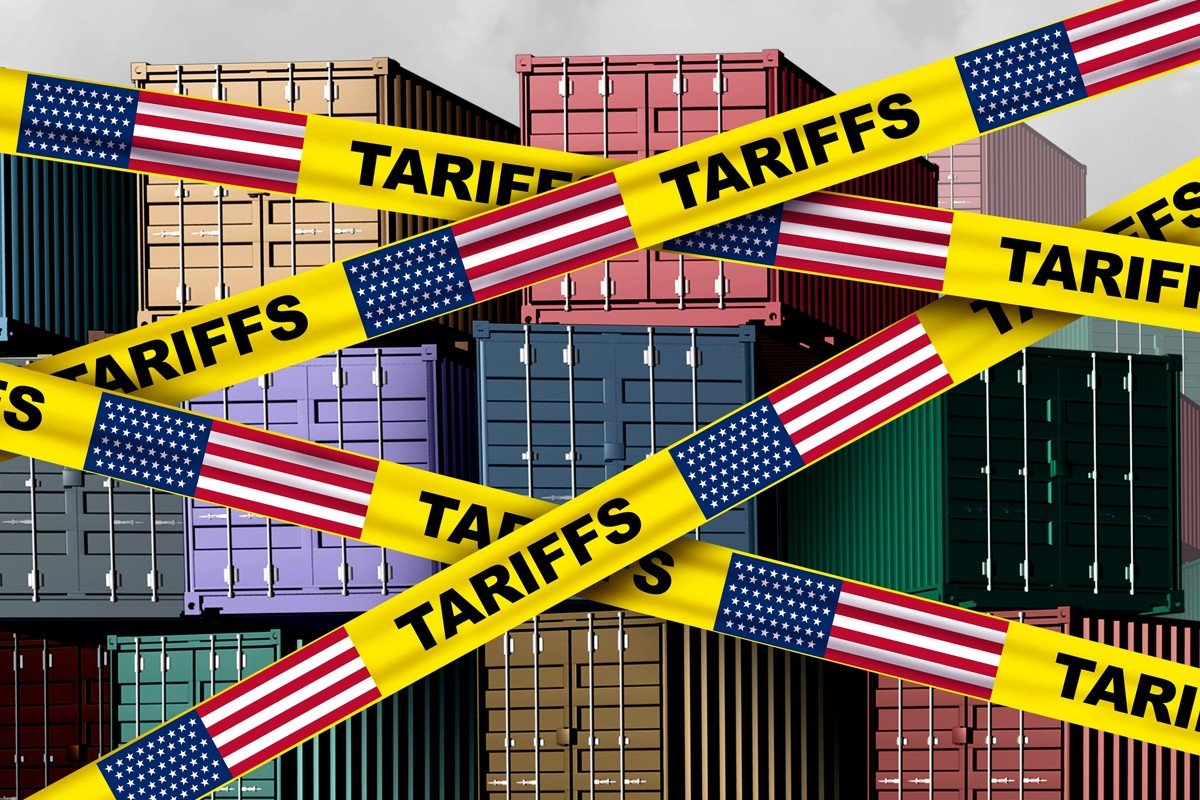
Tariffs are one of those economic topics that often spark heated debates in politics, business, and everyday conversations. But when you hear on the news that a government is placing tariffs on foreign goods, you might wonder: Who actually pays for those tariffs? Is it the foreign country? The foreign company? Or is it the people here at home?
The answer might surprise you.
What Are Tariffs?
A tariff is essentially a tax that a government places on imported goods. For example, if the U.S. places a 25% tariff on imported steel, it means that any steel brought in from another country will cost 25% more at the border. The government collects that extra tax.
At first glance, it may sound like the foreign company or the exporting country is footing the bill. But in reality, things don’t work that way.
Real Payers: Importers and Consumers
When tariffs are imposed, the first people to pay them are importers—the businesses that bring goods into the country. They are the ones who have to pay the tariff directly to customs when the goods arrive.
But here’s the catch: businesses don’t just swallow those costs. To stay profitable, they typically raise prices to cover the tariff. That means retailers charge more, and eventually, the consumers—you and me—end up paying higher prices for products that have tariffs attached to them.
Example in Everyday Life
Let’s say the U.S. places a tariff on imported washing machines. The foreign manufacturer doesn’t suddenly send a check to the U.S. Treasury. Instead, the American company importing those washing machines pays the tariff. Then:
- The importer raises the wholesale price to cover the tariff.
- The retailer increases the price in stores.
- You, the shopper, pay more at checkout.
So while the tariff may have been aimed at another country, the cost trickles down to the consumer.
Do Foreign Companies Every Pay?
Sometimes. If the demand for their product is very strong, foreign exporters may lower their own prices to stay competitive in the face of tariffs. In that case, the cost is shared between the foreign company and the local buyer.
But in most cases, especially when demand is steady and alternatives are limited, the bulk of the cost lands on the consumer.
Who Benefits?
Governments benefit because they collect revenue from tariffs. Certain domestic industries may benefit too—because tariffs can make foreign goods more expensive, giving local producers an advantage.
But for the average household, tariffs usually mean higher prices. Even if you don’t buy the imported product directly, you might still feel the effects, since many industries rely on imported materials to build their products.
The Bottom Line
When politicians say tariffs will make another country “pay,” that’s not the whole truth. The actual payment is made by importers first and consumers eventually.
So, who really pays for the tariffs? Mostly us – the everyday buyers.